
Is Your Cape Coral Home Ready for Hurricane Season? A Southwest Florida Homeowner's Guide
Is Your Cape Coral Home Ready for Hurricane Season?
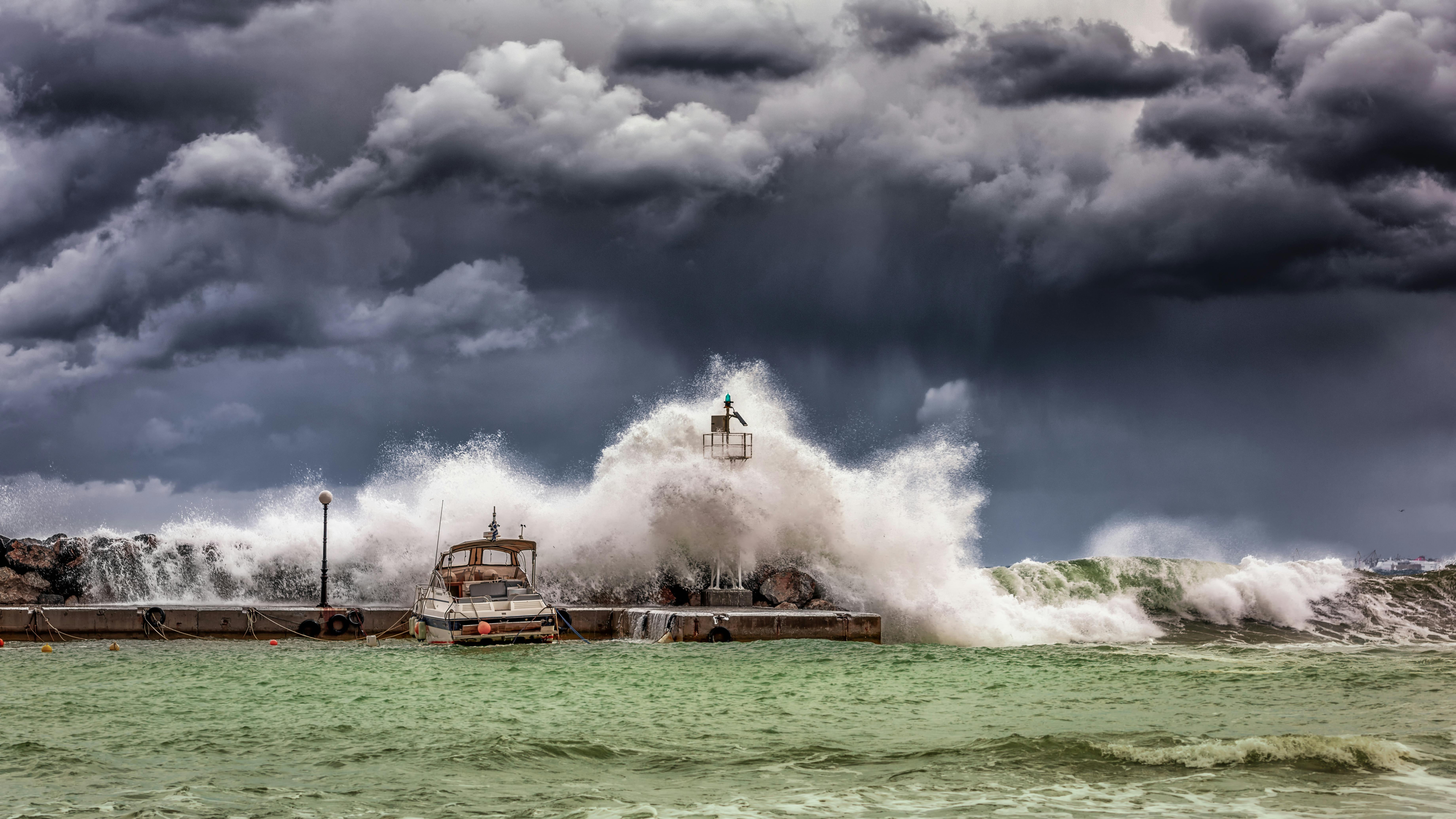
Hurricane season runs June 1 through November 30 — and on Florida’s Gulf Coast, that’s not just a date on the calendar. It’s a call to action. Cape Coral and the surrounding Southwest Florida communities sit in one of the most hurricane-vulnerable regions in the entire country, with low elevation, canal-front properties, and direct exposure to Gulf storm surge. The time to prepare isn’t when a storm is in the Gulf — it’s right now.
Section 01
Harden Your Home’s Exterior
The first line of defense is your home’s shell. Wind and flying debris cause the majority of structural damage during hurricanes, so locking down your exterior is priority number one.
Windows and Doors
If your home has hurricane shutters or panels, don’t just assume they’ll work when you need them — test them now. Pull out every panel and confirm you can account for all of them. More importantly, check every sidewalk bolt (the anchor bolts that panels attach to). These are frequently overlooked until it’s too late.
Spray silicone lubricant into and onto each sidewalk bolt now, while there’s still time to replace any that are seized or corroded. A bolt that won’t turn during a storm prep rush is a serious problem. Blaster Industrial Silicone Spray is a great option available at Home Depot. If you find bolts or anchors that need replacing, pick up POMA sidewalk bolts and lead anchors while you’re there. You can also browse the full hurricane panel hardware section at HomeDepot.com if you’re restocking any part of your kit.
No shutters? Cut and pre-label 5/8” plywood panels for every window and door opening and store them somewhere accessible. Waiting until a storm is 48 hours out is a stressful — and potentially dangerous — mistake. Hardware stores sell out of plywood fast once a storm is named.
Garage Doors
Garage doors are one of the most vulnerable points on any home. An unsupported garage door can fail under hurricane-force winds, leading to catastrophic pressure changes inside the home. Brace your door with a horizontal bracing kit, or consider a wind-rated replacement if your current door is older.
Roof and Structure
Check your roof for loose shingles, cracks around vents or flashing, or any areas where water may already be getting in. For older homes especially, consider hurricane straps or clips that tie your roof structure to the walls — this can make a meaningful difference in a high-wind event. Seal around all windows and doors with weatherproof caulk.
Section 02
Prepare Your Yard — and Have a Plan Ready to Execute
We’re still well ahead of hurricane season, which is exactly when you want to be thinking about your yard and outdoor spaces — not when a storm is 72 hours out. The goal now isn’t to move everything inside today, but to have a clear plan you can execute quickly when the time comes.
Walk your property and inventory everything that would need to come in or be secured before a storm:
- Patio furniture, umbrellas, and cushions
- Grills (gas tanks off and stored safely)
- Potted plants and garden décor
- Trash and recycling bins
- Bicycles, toys, and sports equipment
- Decorative flags, wind chimes, and lighting
In a hurricane, your yard becomes a launching pad for projectiles. The more time you spend thinking through this process now, the faster and calmer you’ll be able to move when a watch is issued.
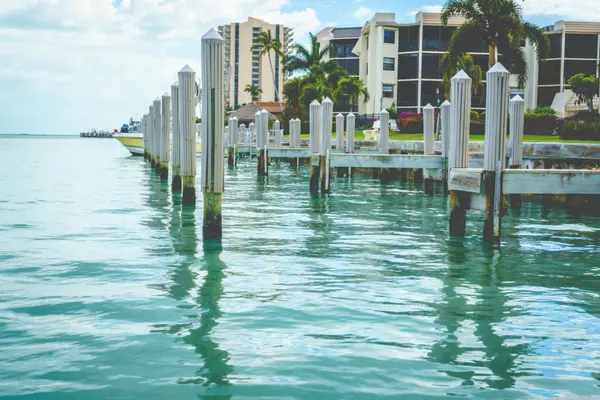
For Cape Coral homeowners with docks, seawalls, or canal-front properties, also take stock of dock furniture, boat lift equipment, and waterfront gear that would need to be removed or secured. We cover boat prep in detail in Part 2 of this series.
Now is also a great time to trim trees and large shrubs. Overhanging branches and weak limbs are among the most common sources of roof and fence damage during storms. Clear gutters and downspouts so they’re ready to handle heavy rain bands without backing up.
Section 03
Know Your Evacuation Zone and Have a Plan
Lee County uses a lettered evacuation zone system (A through F), with Zone A being the highest-risk areas most vulnerable to storm surge. Cape Coral has properties across multiple zones — knowing yours is not optional.
Find your zone: Visit the Lee County Emergency Management website or use the Florida Division of Emergency Management’s online lookup tool.
Build your evacuation plan now, not during a watch:
- Identify at least two routes inland away from the Gulf
- Know the location of your nearest general shelter and pet-friendly shelter
- Decide in advance where you’ll go — family inland, a hotel outside the surge zone, or a designated shelter
- Make sure all family members know the plan, including children and elderly relatives
Storm surge — not wind — is the number one killer in Gulf Coast hurricanes. In a major storm, surge in low-lying areas of Cape Coral and Fort Myers can reach 10–15 feet or more. Don’t wait for a mandatory evacuation order to decide whether you’re leaving. That decision should already be made.
Section 04
Keep Your Gas Tank Full — Starting Now
This one sounds simple, but it’s one of the most impactful habits you can build as a Gulf Coast resident: keep your gas tank at least half full throughout hurricane season.
When a storm gets named and the cone starts pointing toward Southwest Florida, gas stations empty out fast. Lines stretch for hours, stations run out entirely, and people who waited too long find themselves stuck. This isn’t a hypothetical — it played out across Southwest Florida during Hurricane Ian and every major storm before it.
Make it a habit now, before June 1: don’t let your tank drop below half. The same goes for any gas cans you keep for a generator. Fill them at the start of the season, treat the fuel with a stabilizer if it’ll sit for a while, and top them off as storms develop.
Generator check: Run your generator for 20–30 minutes now to confirm it starts reliably. Check the oil, and make sure you have the right extension cords and a transfer switch if needed. More on generator prep in Part 3 of this series.
Section 05
Review Your Insurance — Before You Need It
Hurricane preparedness isn’t just physical — it’s financial. One of the most important things you can do before the season starts is take a close look at your insurance coverage, because after a storm is the worst time to discover gaps.
Start with a call to your agent. If you don’t have a trusted local agent, Sunrise Insurance Group serves Southwest Florida and can help you review your current policies and make sure you’re properly covered for Gulf Coast risks.
Key Things to Review
- Replacement cost vs. actual cash value: If it’s been several years since your policy was written, coverage limits may no longer reflect what it would actually cost to rebuild today. Construction costs in SWFL have risen significantly — make sure your dwelling coverage reflects current replacement costs.
- Flood insurance: Standard homeowner’s insurance does not cover flood damage. In Cape Coral, with its extensive canal system and low-lying elevation, this is non-negotiable. Note: there is typically a 30-day waiting period before flood coverage takes effect — don’t wait.
- Contents coverage: Make sure your personal property coverage reflects the actual value of what’s inside your home.
- Separate wind deductibles: Many Florida policies carry a separate — and often higher — hurricane wind deductible. Know your numbers before you need them.
Document Everything
Walk through your entire home and take video and photos of every room, appliance, fixture, and item of value. Note serial numbers on major electronics and appliances. Store copies of your homeowner’s policy, flood policy, vehicle titles, and critical documents in a waterproof grab-and-go folder — and back everything up digitally to a cloud service.
Section 06
Check In With Your Neighbors
Hurricane preparedness is a community effort. Check in with elderly neighbors, those with mobility challenges, or anyone who may need help boarding up or evacuating. Know who on your street has a generator, who has medical needs, and who may need a hand.
SWFL communities have always shown incredible resilience after storms — and that starts with neighbors looking out for each other before the storm ever arrives.
Recent Posts


GET MORE INFORMATION